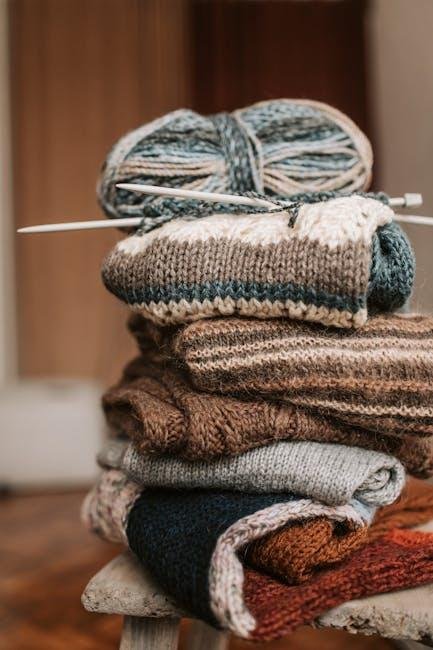


In a world increasingly saturated with noise—be it visual chaos, relentless digital distractions, or the constant churn of consumerism—minimalism emerges as a refuge, inviting us to embrace simplicity and clarity. As we glance toward the horizon of style, a captivating question arises: what does the future hold for this philosophy that champions less is more? The evolution of minimalism is not merely a trend but a cultural response to the complexities of modern life, influencing fashion, interior design, and lifestyle choices. This article delves into the dynamic interplay between minimalism and contemporary aesthetics, exploring how emerging technologies, sustainable practices, and shifting societal values are shaping a new definition of simplicity. Join us on this journey as we uncover the enduring allure of minimalism and its potential to redefine our experience of style in the years to come.
Exploring the Essence of Minimalism in Modern Design
In the ever-evolving landscape of design, minimalism continues to capture the creativity of creators and consumers alike. With its emphasis on simplicity and functional aesthetics, this style advocates for a life that values quality over quantity. The core of minimalism lies in stripping away excess, allowing both form and function to shine through. Key principles include:
- Neutral Color Palettes: Earthy tones and subtle hues heighten the sense of tranquility.
- Open Spaces: Emphasizing natural light and uncluttered areas fosters a peaceful habitat.
- Quality Materials: Prioritizing craftsmanship over mass production ensures longevity and authenticity.
As we look towards the future, minimalism is poised to evolve further, merging practicality with innovative technologies. Designers are increasingly embracing sustainable practices, where the integration of eco-amiable materials reflects a deeper commitment to both the planet and simplicity. A potential shift in minimalism’s approach could manifest in:
| Aspect | Future Trend |
|---|---|
| Color Utilization | Brighter accent colors to contrast minimal designs. |
| smart Technology | Integration of smart home devices that prioritize user-friendly design. |
| Modular Furniture | Furniture that adapts to various needs without compromising aesthetics. |
Sustainable Choices: The Eco-Friendly Shift in Minimalist Fashion
The journey towards sustainable fashion has ignited a new wave in minimalist style, where functionality meets eco-consciousness. This modern approach promotes utilizing durable, high-quality materials that stand the test of time, reducing the cycle of fast fashion and its detrimental environmental impacts. As consumers become more educated, they seek brands that prioritize ethical production practices and environmental duty. A minimalist wardrobe now embraces pieces that are not only versatile but also sustainably crafted,leading to a profound shift in how fashion is perceived and consumed.
In this evolving landscape, various eco-friendly practices are becoming integral to minimalist fashion.Key principles include:
- Quality over Quantity: Investing in fewer, high-quality items ensures longevity.
- Timeless Designs: Choosing classic styles that transcend seasonal trends promotes sustainability.
- Ethical Sourcing: Supporting brands that use organic or recycled materials reduces environmental impact.
To further this movement, many brands are adopting transparency in their supply chains and championing local craftsmanship. This not only enhances the connection between the maker and wearer but also fosters a sense of community and shared values in fashion. Tables below illustrate how different materials are incorporated into this eco-friendly paradigm:
| Material | Benefit |
|---|---|
| Organic Cotton | biodegradable and produced without harmful pesticides. |
| recycled polyester | diverts plastic waste from landfills; reduces energy usage. |
| Linen | Requires less water and chemical fertilizers; naturally biodegradable. |

Balancing Functionality and Aesthetics in Everyday Wear
In contemporary fashion, the challenge lies in achieving a harmonious blend of practicality and visual appeal. Consumers are increasingly drawn to pieces that are not only aesthetically pleasing but also serve a purpose in their daily routines.To find this balance, designers are exploring materials and forms that prioritize comfort, versatility, and sustainability while staying true to minimalist principles.Some essential elements that characterize this approach include:
- Timeless silhouettes: Streamlined designs that withstand seasonal trends.
- Neutral palettes: Colors that easily mix and match with existing wardrobes.
- Functional details: Features such as pockets, adjustable straps, and breathable fabrics.
The convergence of these attributes not only enhances the user experience but also promotes a clutter-free lifestyle. Brands committed to this philosophy are beginning to release capsule collections that cater to minimalism while ensuring maximum usage. To illustrate the effectiveness of merging function with form, consider the following table highlighting key benefits of minimalist clothing:
| Feature | Benefit |
|---|---|
| Versatile styles | Seamlessly transition from day to night. |
| High-quality materials | Ensure longevity and reduce waste. |
| Timeless designs | Reduce the need for constant purchasing. |

Embracing Technology: How Innovation Shapes Minimalist Style
As we journey into a world increasingly defined by digital experiences, technology has become a pivotal force in reimagining minimalism. The fusion of sleek design and smart functionality allows for a harmonious blend of beauty and utility. Modern innovations, such as smart home devices and wearable technology, embody this philosophy by offering streamlined aesthetics that eliminate clutter while enhancing our day-to-day lives. With the rise of these sleek gadgets and user-centered designs, we are witnessing the physical aspects of minimalism merge seamlessly with the digital, creating spaces that are both aesthetically pleasing and technologically complex.
Moreover, advancements in sustainable materials and smart textiles reflect a growing commitment to responsibility and efficiency within minimalist frameworks. This redefined approach encourages us to consider not just what we possess, but also how those things impact our environment. Essential tools, ranging from mobile apps that aid in decluttering to AI-driven personal stylists, are transforming the way we engage with our spaces and belongings. Consequently, minimalism is evolving beyond simple aesthetics into a lifestyle choice, forged by cutting-edge technology that promotes intention, mindfulness, and sustainable living.
Closing Remarks
As we stand on the brink of a new era in fashion, the evolution of minimalism invites us to reconsider our approach to personal style. it urges us to strip away the excess, revealing not just the beauty in simplicity but also the stories behind each piece we choose to wear.With sustainability in mind and intentionality at the forefront, the future of minimalism beckons us to create wardrobes that are not only chic but also meaningful. As we navigate this path, let us embrace the notion that less is indeed more, recognizing that true elegance lies in the delicate balance between simplicity and sophistication. The journey ahead is not just about what we wear, but how we express ourselves through our curated choices, paving the way for a style that transcends trends and speaks to our individuality. In this world of continuous change, simplicity will always remain a canvas upon which our creativity can flourish.