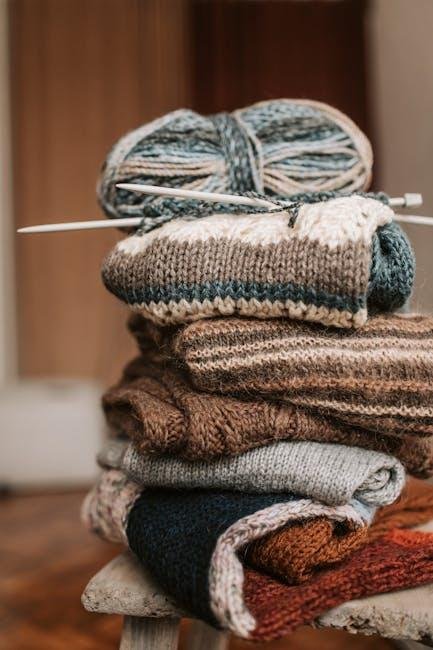

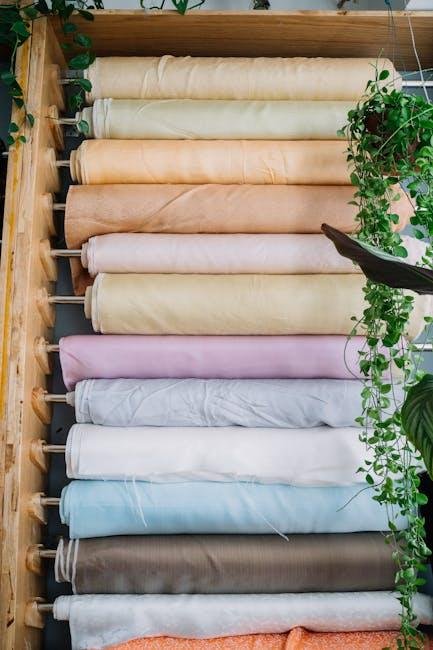
As the world becomes increasingly aware of the environmental challenges facing our planet, the textile industry stands at a crossroads. With every thread and fiber woven into our clothing, blankets, and upholstery, ther exists an possibility to redefine the very essence of fashion and functionality thru eco-friendly fabrics. Gone are the days when sustainability was a mere afterthought; today, it is becoming an essential cornerstone of design and production. From innovative plant-based materials to recycled synthetics, the fabric of the future promises not only to elevate our wardrobes but to mitigate the impact of our choices on the Earth. In this article, we will explore the cutting-edge developments and visionary trends that are shaping the landscape of eco-friendly textiles, paving the way for a more sustainable tomorrow, one stitch at a time. Join us as we unravel the colorful tapestry of possibilities that lie ahead, intertwining artistry with ecological obligation.
Exploring Innovative materials in Sustainable Textiles
The textile industry is undergoing a radical conversion, driven by a growing emphasis on sustainability and innovation. A variety of new materials are emerging from research and progress efforts aimed at reducing environmental impact while maintaining high performance and aesthetic appeal. Here are some noteworthy materials that are shaping the future of eco-friendly textiles:
- Piñatex: Made from pineapple leaf fibers, this leather alternative offers a sustainable option for fashion and upholstery, utilizing agricultural waste.
- Tencel: Derived from sustainably sourced wood pulp, this biodegradable fabric boasts a soft texture and excellent moisture management.
- Recycled Polyester: Crafted from post-consumer plastic bottles, this material reduces waste in landfills and conserves resources compared to virgin polyester production.
- Organic Cotton: Grown without synthetic pesticides and fertilizers, organic cotton is kinder to the earth and promotes healthier farming practices.
As these materials gain traction, textile manufacturers are also exploring advanced processing techniques that lower energy consumption and minimize water use. A growing number of brands are adopting circular economy principles, fostering practices that extend the life cycle of products through design, recycling, and upcycling. Below is a table highlighting some innovative practices in sustainable textile production:
| practice | Description |
|---|---|
| Waterless Dyeing | Utilizing digital printing methods to eliminate water use in dyeing processes. |
| Modular Design | Creating garments that can be easily disassembled and repaired, extending their lifespan. |
| Biodegradable Fabrics | Developing textiles that decompose naturally, reducing landfill waste. |
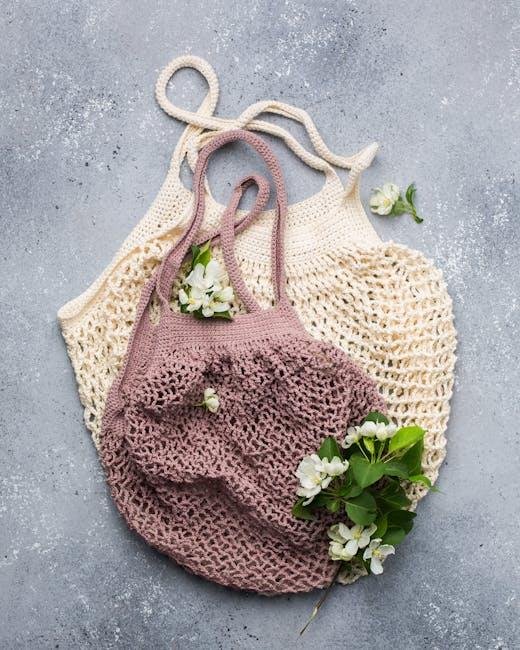
The Role of Technology in advancing Eco-Friendly Fabrics
As the fashion industry increasingly recognizes its environmental footprint,technology is stepping in as a key player in the development of sustainable textiles. Innovative methods such as nanotechnology and biotechnology are revolutionizing the way eco-friendly fabrics are produced, making them not only more sustainable but also more functional. For example,advancements in bioengineered fibers have led to the creation of materials that are biodegradable,thus reducing waste in landfills. Additionally, these technologies play a crucial role in enhancing the durability and performance of sustainable fabrics, allowing consumers to enjoy high-quality products without compromising their eco-conscious values.
The integration of digital tools and data analytics is further amplifying the efficiency of fabric production. by employing smart manufacturing technologies, companies can minimize resource consumption and waste during the production process. Some notable advantages of these technologies include:
- Real-time tracking: Monitoring the production process to optimize resource use.
- waste reduction: identifying inefficiencies to minimize textile waste.
- Sustainable sourcing: Ensuring raw materials come from eco-friendly sources.
These advancements are shaping a future where style and sustainability coexist in harmony, paving the way for a new era of responsible fashion.

Evaluating the Impact: Environmental and Economic Perspectives
The advent of eco-friendly fabrics presents a pivotal moment in both environmental and economic discussions. By switching to sustainable textiles, industries can significantly reduce their carbon footprints and mitigate the adverse impacts of traditional fabric production. Some benefits include:
- Reduced Resource Consumption: Eco-friendly fabrics often require less water and energy during production.
- Biodegradability: Many sustainable materials decompose better than conventional fabrics, minimizing landfill waste.
- Diverse Options: From organic cotton to recycled polyester,the range of eco-friendly materials offers various choices for manufacturers.
On the economic front, the shift towards sustainable textiles is not merely a moral imperative but also a lucrative opportunity. As consumer demand for responsible products rises, brands that adopt eco-friendly practices can capture new market segments. This shift can result in:
- Brand Loyalty: Consumers increasingly prefer brands that align with their sustainability values.
- Cost Savings: Companies can potentially lower production costs by using innovative materials that minimize waste.
- Job Creation: The sustainable textile industry may spur growth in new sectors, leading to the creation of green jobs.
| Eco-Friendly Fabric | Environmental Benefit | Economic Advantage |
|---|---|---|
| Organic Cotton | reduces pesticide use | Increased price premium |
| Bamboo Fabric | Rapid growth and renewability | low production costs |
| Recycled Polyester | Reduces plastic waste | Leverages existing materials |

Practical Guide to Choosing Sustainable Fabrics for Everyday Use
Choosing sustainable fabrics for your everyday wardrobe can seem daunting, but it doesn’t have to be. Start by considering materials that are both environmentally friendly and pleasant. Look for fabrics that are natural, such as organic cotton, linen, and hemp, as these are often produced with less harmful pesticides and chemicals. Additionally, recycled fabrics—like those made from post-consumer plastic bottles or reclaimed textiles—not only help reduce waste but also make for unique and durable clothing. When selecting your fabrics, don’t hesitate to ask about their production process to ensure they align with your eco-conscious values.
Another key factor is the fabric’s lifecycle. Opt for materials that are biodegradable or can be easily recycled at the end of their life. This not only contributes to reducing landfill waste but also supports a circular economy. Here’s a quick comparison table to help you choose wisely:
| Fabric Type | Sustainability Rating | key Benefits |
|---|---|---|
| Organic Cotton | High | Soft, breathable, chemical-free |
| Bamboo | Medium | Biodegradable, moisture-wicking |
| Recycled Polyester | high | Durable, reduces plastic waste |
| Hemp | High | Strong, grows quickly, low-impact |
In Retrospect
As we stand at the crossroads of innovation and sustainability, the future of eco-friendly fabrics unfolds with promise and potential. With technological advancements paving the way for materials that harmoniously blend style, durability, and environmental responsibility, the fashion industry is on the brink of a transformation. Whether it’s the development of bio-based fibers or the rise of recycled textiles, each innovation brings us one step closer to a greener wardrobe.
As consumers, our choices hold the power to reshape markets and influence the way we think about clothing. With a growing awareness of the environmental impact of the garments we wear, the shift towards sustainable fabrics is not just a trend—it’s a movement. The path ahead is filled with opportunities for creativity and conscience, urging us to embrace a more thoughtful approach to fashion.
In this evolving landscape, the fusion of design and sustainability beckons. So let us step forward, equipped with knowledge and intention, and choose fabrics that not only speak to our style but also resonate with our ethos of protecting the planet. The future of eco-friendly fabrics is bright,and together we can weave a narrative of hope and responsibility for generations to come.