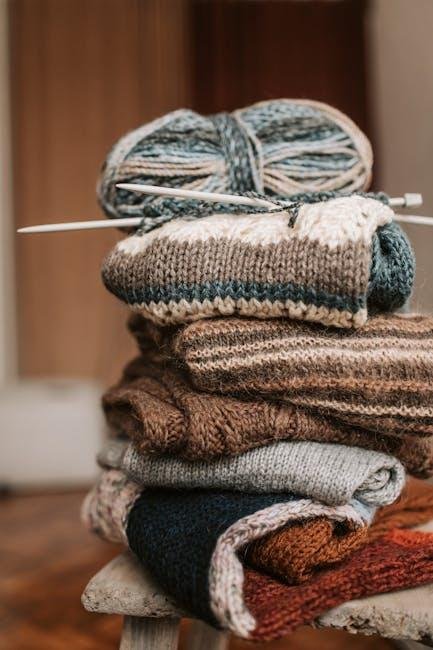

In a world increasingly burdened by excess, the fashion industry stands at a crossroads—where our desire for style meets the urgent need for sustainability. Enter the revolution of minimal waste fashion, a movement that champions thoughtful consumption and mindful choices over the relentless pursuit of trends. As we navigate the complexities of modern shopping, applying smart strategies not only nurtures our individual aesthetic but also honors our collective responsibility to the planet.This article aims to illuminate the path toward a more sustainable wardrobe, offering practical tips and insights to help you shop with intention, reduce waste, and embrace a fashion-forward lifestyle that’s as kind to the Earth as it is chic. Whether you’re a seasoned eco-warrior or just starting to explore the world of conscious consumerism, these smart shopping tips will empower you to make impactful choices every time you open your closet.
Exploring the Principles of Minimal Waste Fashion
In the journey toward a sustainable wardrobe, understanding the core principles of minimal waste fashion can transform your shopping habits. focus on quality over quantity; investing in well-made, timeless pieces not only reduces waste but ensures longevity in your closet. When shopping, consider garments that offer versatility and durability, allowing you to mix and match with various outfits. Emphasizing a simplistic color palette can enhance your wardrobe’s adaptability, making it easier to create numerous looks with fewer items.
Another key principle is to embrace the second-hand shopping culture. Thrift stores, vintage shops, and online resale marketplaces are treasure troves of unique apparel that can reduce the demand for new clothing production. Opt for items made from sustainable materials, such as organic cotton, recycled fibers, or Tencel, as these fabrics have a lesser environmental impact. Here’s a rapid table summarizing popular sustainable choices:
| Material | Benefits |
|---|---|
| Organic Cotton | Grown without harmful chemicals, better for soil health |
| Recycled Polyester | Reduces plastic waste, uses less energy in production |
| Tencel (Lyocell) | Sourced from sustainably managed forests, biodegradable |
Identifying Quality over Quantity in Your Wardrobe
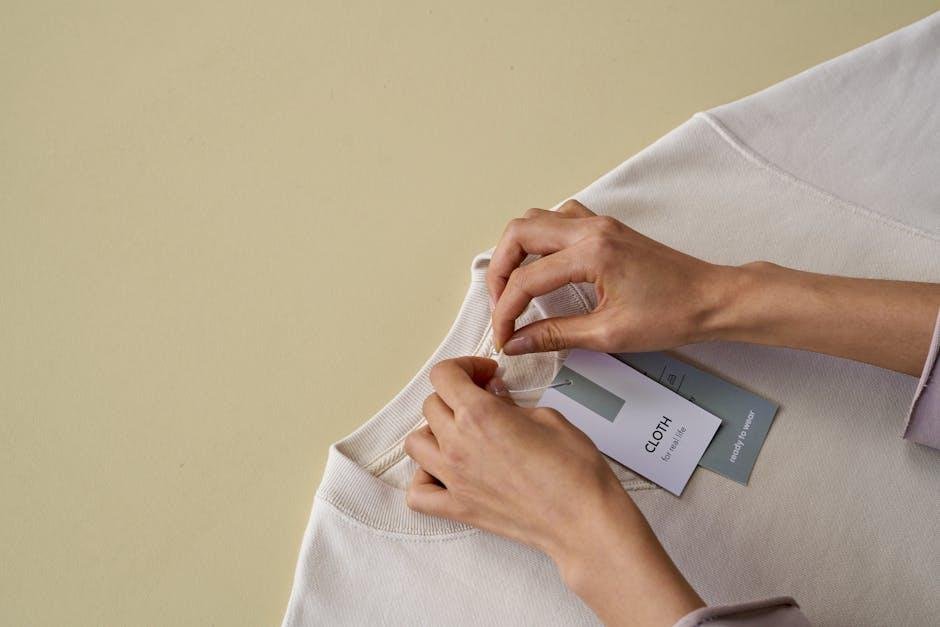
When curating your wardrobe, it’s essential to prioritize quality over sheer quantity.Investing in pieces that stand the test of time not only reduces waste but also ensures you have versatile items that can be mixed and matched to create various looks. Look for materials that are durable yet cozy, such as natural fibers like cotton, linen, or wool. Additionally, consider the craftsmanship of each garment; well-made clothing will feature reinforced seams, quality stitching, and attention to detail.
To make informed decisions while shopping,keep the following tips in mind:
- Assess Fabric Quality: Check the label for fabric composition,seeking out sustainable and long-lasting options.
- Examine Construction: Ensure garments are well-constructed with uniform stitching and no loose threads.
- Consider Versatility: Choose pieces that can be styled in multiple ways, reducing the need for excess items.
- Prioritize Timeless Styles: Invest in classic pieces that won’t go out of style quickly, ensuring longevity in your wardrobe.

sustainable Shopping: Where to Find eco-Friendly Brands
Finding eco-friendly brands can be a rewarding journey that aligns your shopping habits with your values. Websites like eco Warrior Princess and Ethical Unicorn curate lists of sustainable fashion brands, highlighting those that prioritize fair labor practices, eco-conscious materials, and minimal waste production processes. Explore slow fashion marketplaces such as Etsy and Depop, where self-reliant creators frequently enough focus on sustainable designs and vintage items, offering unique pieces that reduce the demand for fast fashion.
In addition to dedicated platforms, many established retailers are beginning to embrace sustainability. Look for labels that emphasize organic materials, recycled fabrics, and ethical manufacturing. An easy way to identify such brands is by checking for certifications and seals like GOTS, Fair Trade, or PETA Approved Vegan. Here’s a simple comparison of some popular eco-friendly brands to help guide your shopping choices:
| Brand | Key Features | Product Range |
|---|---|---|
| Patagonia | Recycled materials, Fair Trade | Outdoor clothing, gear |
| Eileen Fisher | Renewable fibers, Circular economy | Women’s clothing |
| Reformation | Sustainable fabrics, Carbon neutrality | Fashion-forward apparel |

Tips for Extending the Life of Your Clothing Items
Keeping your clothing in pristine condition doesn’t have to be an arduous task. By implementing a few simple habits, you can significantly extend the life of your favorite pieces. Start with proper washing techniques—always check the care labels for specific instructions. Use cold water for washing to reduce energy use and prevent color fading. Additionally, consider hand washing delicate items, as this method is gentler on fabrics. Remember to avoid overloading your washing machine; this can lead to increased friction and wear on your clothes.
Another key aspect of longevity is mindful storage practices. Ensure that your garments are stored in a cool, dry place to avoid mold and mildew. Use padded hangers for delicate items like blouses and dresses to maintain their shape. Folding heavy knits and sweaters can help prevent stretching. When storing seasonal clothes, consider using breathable garment bags or cotton sheets instead of plastic to protect them from dust and moisture. Here are a few additional tips for maintaining your wardrobe:
- Rotate your clothes regularly to avoid excessive wear on certain items.
- Inspect items for small damages like loose threads or buttons before they become major issues.
- Invest in a fabric shaver to keep your clothes looking fresh and lint-free.
| Care Tip | Description |
|---|---|
| Wash in Cold Water | Preserves colors and reduces energy use. |
| Use Padded Hangers | Mantains the shape of delicate garments. |
| Inspect Regularly | Catch small damages early to avoid bigger repairs. |
To Wrap It Up
As we draw the curtain on our exploration of minimal waste fashion, it’s clear that each thoughtful choice we make can propel us towards a more sustainable future. By embracing smart shopping tips—from curating a versatile wardrobe to prioritizing quality over quantity—we not only reduce our environmental footprint but also redefine our relationship with clothing.remember, fashion need not be a transient affair; it can be a lasting expression of our values and creativity.
So, as you step into your next shopping adventure, let your decisions echo the ethos of mindful consumption. Choose pieces that resonate with your style while championing the planet. In this journey towards minimal waste, every small step counts—from mindful purchases to conscious care for the garments we cherish.Together, we can weave a tapestry of change, one outfit at a time. Here’s to a greener wardrobe and a brighter tomorrow!