

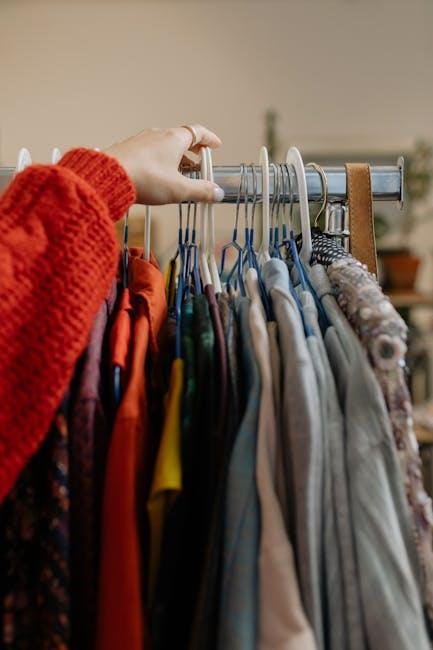
In a world increasingly driven by consumerism and instant gratification,the allure of “cheap” clothing frequently enough sings a seductive tune. Piles of brightly colored garments beckon us from store displays, promising style and satisfaction without breaking the bank. However, beneath the surface of these budget-amiable bargains lies a complex tapestry woven with threads of environmental degradation, ethical dilemmas, and social impacts.As we delve into the hidden costs of this seemingly innocuous pursuit,we uncover a sobering truth: the true price of our fashion choices ofen goes far beyond the tags attached to our garments. Join us as we explore the deeper implications of our clothing habits and consider what it truly means to dress affordably in a world where the cost of convenience can often be more than we bargained for.
Understanding the Environmental Impact of Fast Fashion
The fast fashion industry, while celebrated for it’s ability to provide trendy apparel at low prices, carries a hidden cost that extends far beyond the checkout counter. From the extraction of raw materials to the disposal of discarded garments, each step in the lifecycle of cheap clothing contributes to a important environmental footprint. This includes:
- Water Pollution: The production processes frequently enough involve toxic dyes and chemicals, which are frequently discharged into nearby water bodies.
- Resource Depletion: Cotton farming and synthetic fiber production consume vast amounts of water and energy, leading to the depletion of these essential resources.
- Waste Generation: The short lifespan of fast fashion items results in a staggering amount of textile waste, with millions of tons ending up in landfills each year.
To illustrate the impact, consider the following table summarizing some of the environmental effects associated with producing a single t-shirt:
| Resource | Impact |
|---|---|
| Water | 2,700 liters (enough for one person to drink for 3 years) |
| CO2 Emissions | Approximately 2.1 kg emitted |
| Microplastics | Up to 1900 microplastic fibers released in one wash |
As consumers, it’s essential to recognize how our choices in fashion contribute to these pressing environmental issues. By understanding the implications of our purchases,we can take steps towards a more sustainable approach to clothing that respects both our wallets and our planet.

The True Cost of Labor: A Closer Look at Garment Workers
The garment industry operates on a complex web of global supply chains, where the true cost of production frequently enough remains hidden from consumers. Behind every inexpensive piece of clothing lies a story riddled with challenges faced by those who create it. Garment workers,often women,endure long hours,hazardous working conditions,and minimal pay. Their struggles are compounded by the pressure from fast fashion brands to keep prices low and profits high. As a result, manny factory employees are forced to work under conditions that are far from humane, leading to questions about the ethical implications of our shopping habits.
To better understand the realities these workers face, consider the following factors associated with their daily lives:
- Low Wages: Many garment workers earn less than the minimum wage, making it tough to survive in urban settings.
- Unsafe Environments: Factories often lack basic safety regulations, putting workers at risk of serious injuries.
- Long Hours: Overtime is common, frequently without fair compensation, leading to physical and mental exhaustion.
- Lack of Rights: Workers often have limited access to union representation and legal protections.
To illustrate the disparity between the retail price of clothing and the wages of garment workers, the following table provides a snapshot of average prices and wages across different countries:
| Country | Average T-Shirt price | Average Garment Worker Wage |
|---|---|---|
| Bangladesh | $5 | $78 per month |
| India | $8 | $100 per month |
| Vietnam | $10 | $130 per month |
| China | $12 | $300 per month |
These figures starkly illustrate how the fashion industry’s pursuit of affordability often results in the exploitation of the very individuals who bring our clothing to life. By pausing to reflect on these conditions, we can start to address the moral implications of our consumer choices and strive for a more responsible and equitable fashion industry.

Quality Versus Price: Investing in Sustainable Alternatives
when it comes to wardrobe choices, the allure of low-priced clothing is undeniable. Though, the initial savings can frequently enough mask a bigger truth: these garments frequently compromise on quality and sustainability. Cheaper fabrics tend to wear out faster, leading to a cycle of repetitive purchases that ultimately offset any savings. Investing in sustainable alternatives not only promotes ethical manufacturing practices but also champions long-lasting products that require fewer replacements over time. Consider these factors:
- Materials: Sustainable fashion often utilizes organic cotton, Tencel, or recycled fibers which are not only better for the surroundings but also more durable.
- Labor Practices: Ethical brands prioritize fair wages and safe working conditions for their employees, a principle often overlooked by fast fashion labels.
- Long-term savings: While the upfront cost may be higher, the longevity of quality garments can lead to decreased expenses on replacements.
To further illustrate this concept, consider the following comparison of typical fast fashion items to sustainable alternatives:
| Aspect | Fast Fashion | Sustainable Alternatives |
|---|---|---|
| Price per item | Low (e.g., $10-30) | Higher (e.g., $50-150) |
| Average lifespan | 1-2 seasons | 3-10 years |
| Environmental Impact | High (pollution, waste) | Low (eco-friendly processes) |
Choosing quality over price aligns your purchases with value that transcends mere consumerism, fostering a sense of obligation towards our planet and promoting a more sustainable future.
Building a Conscious Wardrobe: Tips for Mindful Shopping
When we indulge in the allure of inexpensive clothing,it’s easy to overlook the hidden costs associated with our shopping choices.while the immediate savings seem attractive, the environmental impact can be staggering. Fast fashion significantly contributes to pollution, from water consumption to chemical runoff, all the way to overflowing landfills. As conscious consumers, we must consider not only the price tag but also the lifecycle of each garment we purchase. To cultivate a wardrobe that reflects our values, we can start by prioritizing brands that champion ethical practices.
To further enhance our mindful shopping experience, consider adopting the following practices:
- Research Brands: Investigate companies for their ethical manufacturing processes and sustainable materials.
- Invest in Quality: Choose pieces that may cost more initially but will last longer and reduce the need for replacements.
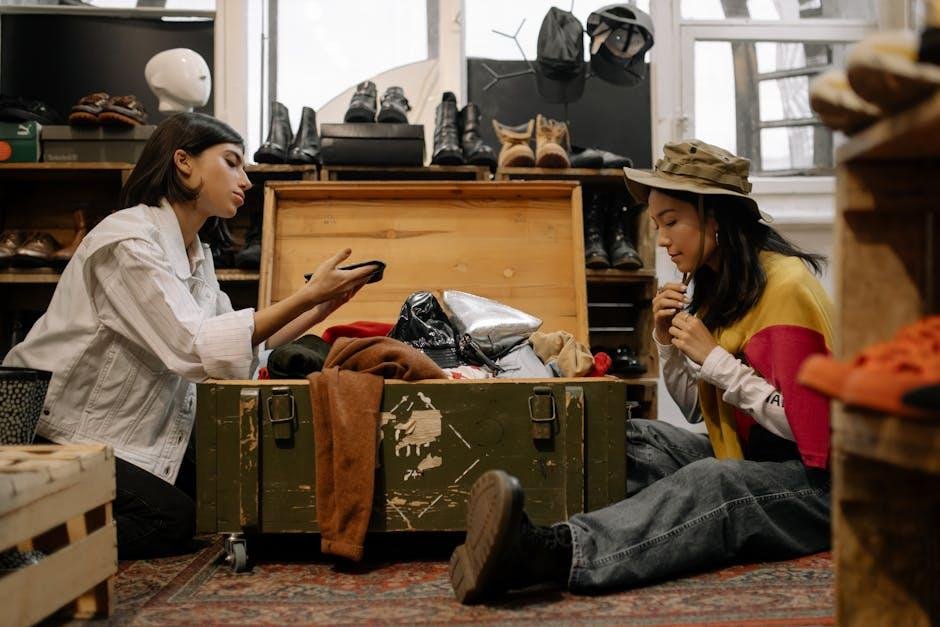
- Embrace second-Hand: Thrift stores and online resale platforms offer a treasure trove of unique, pre-loved items.
- Limit Impulse Buys: Create a waiting period before making a purchase to deter fleeting trends.
In Retrospect
in the world of fashion, where trends come and go with dizzying speed, the allure of “cheap” clothing frequently enough tempts us with promises of savings and style. Though, as we peel back the layers of this seemingly appealing choice, we uncover the hidden costs that extend far beyond our wallets. From environmental degradation and exploitation of labor to the impact on our personal values, the true price of fast fashion is steep and multifaceted.
As we navigate the complexities of our consumer choices, it becomes essential to foster a deeper awareness of the consequences tied to our purchases. While the allure of instant gratification may beckon, investing in quality over quantity—considering ethical brands or sustainable practices—can lead to a more fulfilling, impactful wardrobe.
our clothing choices are not just reflections of our personal style; they carry the weight of a larger narrative. By embracing conscious consumption, we can craft a future that values sustainability, ethics, and the true cost of our fashion statements. Let us not just wear our clothes, but wear our values—woven intricately into every thread.