
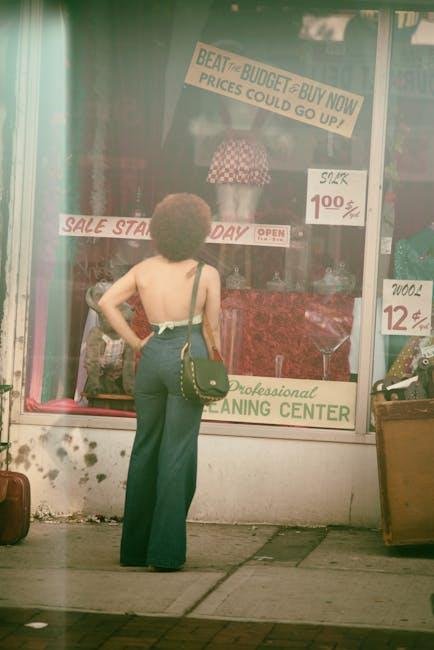
In a world where fast fashion dominates the retail landscape, a subtle shift is underway, beckoning us to revisit the sartorial choices of yesteryear. Enter the realm of nostalgia dressing—a trend that intertwines personal memory with the timeless allure of vintage attire. As we navigate through an era marked by rapid change and uncertainty, many are finding solace in the familiar, seeking style inspiration from the past to express thier individuality in the present. This resurgence of vintage fashion isn’t merely a fleeting whim; it speaks to a deeper yearning for authenticity and connection in a fast-paced age. In this exploration of nostalgia dressing, we will uncover why looking back may very well be the key to our fashion-forward future.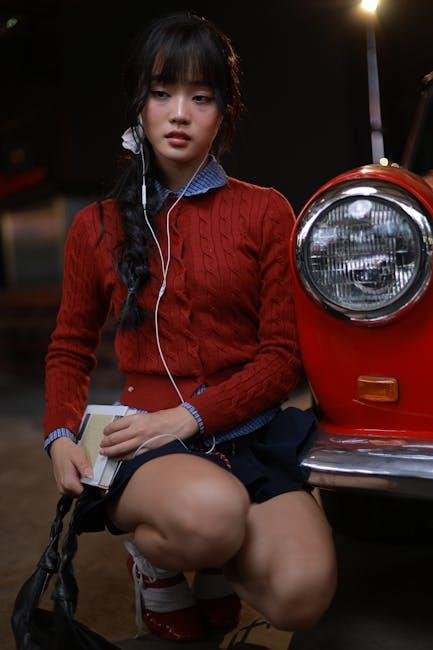
Embracing the Past: How Nostalgia Influences Modern Fashion Choices
Nostalgia has a profound effect on our fashion choices,acting as a bridge that connects us with the past while simultaneously influencing modern aesthetics. As we navigate through styles reminiscent of decades gone by, we find ourselves drawn to the emotional resonance these garments evoke. The resurgence of vintage clothing can be attributed to the desire for authenticity in an age dominated by fast fashion, where mass-produced items flood the market. The allure of the unique and the individual speaks to a collective yearning for identity and continuity. when seeking pieces that tell a story, consumers are increasingly gravitating toward items that reflect their own memories or the cultural zeitgeist of the past.
This trend not only showcases the beauty of sustainability—by promoting the recycling and upcycling of previously loved wardrobes—but also highlights a return to craftsmanship that stands in stark contrast to contemporary manufacturing practices. Fashion houses and independent designers alike are recognizing the importance of honoring bygone eras through the work of creative alterations, reimagined silhouettes, and vintage-inspired fabrics. Below are some key aspects driving this nostalgic movement in fashion:
- Emotional Connection: vintage pieces often carry personal stories, making them more meaningful.
- Unmatched Quality: Many older garments showcase superior craftsmanship and durable materials.
- Retro Revival: Designers are consistently inspired by the motifs and styles of previous decades.
- Community Engagement: Thrift stores and vintage markets foster local interactions and shared experiences.
additionally, generations of style are being celebrated through collaborative projects and limited-edition lines that pay homage to influential fashion icons, creating a dialog between eras.Retailers are adopting visual merchandising strategies that incorporate nostalgic elements, such as retro color palettes and vintage-inspired displays. The influence of nostalgia is ideally captured in table formats, providing a clear view of how past decades continue to inspire the fashion choices of today:
| Decade | Key Trends |
|---|---|
| 1920s | Flapper dresses, cloche hats, art deco patterns |
| 1970s | Bohemian styles, bell-bottoms, bold prints |
| 1990s | grunge looks, oversized silhouettes, crop tops |
In embracing elements from these earlier times, modern fashion not only cultivates a sense of nostalgia but also proves that inventive adaptation and a contemporary twist on classic styles can create a fashion language that is innovative and deeply rooted.
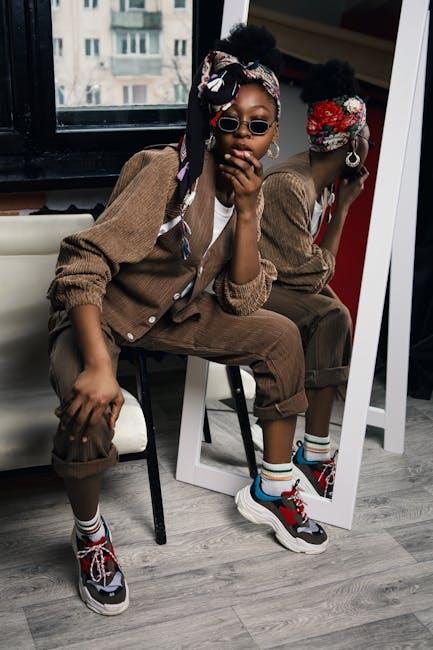
Timeless Trends: The Enduring Appeal of Vintage Styles
The allure of vintage styles lies in their timelessness, a quality that transcends fleeting fashion trends. As each decade brought unique designs, vintage pieces offer a rich narrative woven into the fabric of their creation. Fashion icons from the past have laid the groundwork for what we now consider timeless, showcasing looks that resonate through generations. Today’s fashion enthusiasts are rediscovering these treasures, embracing the artistry and craftsmanship that modern fast-fashion frequently enough overlooks. The richness of vintage styles allows individuals to express their personalities while standing out in a world filled with homogeneity.
Moreover, the sustainable aspect of vintage shopping cannot be ignored. With growing awareness about the environmental impact of the fashion industry, consumers are seeking more sustainable options that also promote individuality. Purchasing vintage not only reduces waste but also keeps history alive.Consider these key points as you explore the charm of bygone eras in modern fashion:
- Uniqueness: every vintage piece tells a story.
- Quality: Older garments often boast superior craftsmanship.
- Versatility: Vintage can be mixed and matched effortlessly with contemporary styles.
- Sustainability: Reusing fashion helps combat waste.
| Decade | Key Styles | Signature Pieces |
|---|---|---|
| 1920s | Flapper Dresses | Beaded Clutches |
| 1960s | Mod Fashion | Mini Skirts |
| 1980s | Power Suits | Shoulder Pads |
Sustainable Chic: Vintage as a Pathway to eco-Friendly Fashion
Embracing vintage fashion is not just a stroll down memory lane; it’s a conscious step towards sustainability in a world grappling with fast fashion’s environmental impact.The practice of wearing pre-loved items comes with a plethora of benefits, making it a chic and eco-friendly choice. Here are some compelling reasons why vintage clothing is a sustainable fashion statement:
- Reduces Waste: By choosing vintage, you’re giving a second life to garments that might otherwise end up in landfills.
- Unique Style: Vintage pieces offer individuality,steering you clear of mass-produced trends that drown personal expression.
- Quality Craftsmanship: Many vintage items were made with greater care and better materials than many of today’s fast-fashion offerings.
Moreover, vintage shopping supports local economies and small businesses. Many thrift stores, consignment shops, and vintage boutiques work with local artisans, creating a ripple effect of positive community impact. Here’s a simple comparison showcasing the average environmental impact of choosing vintage versus new fashion:
| Factor | Vintage Fashion | Fast Fashion |
|---|---|---|
| Water Use | minimal | 2,700 liters per t-shirt |
| Carbon Footprint | Low | Average of 3.3 kg CO2 per item |
| Supporting Communities | Yes | No |
Curating Your Collection: Tips for Finding and Styling vintage Pieces
embarking on the journey to curate a stunning collection of vintage pieces begins with understanding your personal aesthetic. Consider exploring various eras—each with its own distinct vibe that can evoke a multitude of feelings. Look for items that resonate with you; whether it’s the bohemian flair of the ’70s, the sleek elegance of the ’90s, or the charming details of the ’50s, your collection should reflect your unique sense of style. You’ll find treasure in unexpected places; local thrift stores,estate sales,and online marketplaces are all dotted with hidden gems waiting to be unearthed. Boldly embrace the art of layering different textures and patterns to create eclectic outfits that tell a story.
Styling vintage pieces can be both an art and a science. To create a cohesive look, keep the following tips in mind:
- Balance Old with new: Mix vintage items with contemporary pieces to ground your outfit.
- Accessorize Wisely: Complement vintage clothing with modern accessories that resonate with your style.
- Know Your Fit: Vintage sizes can vary significantly, so tailoring might potentially be necessary for a polished look.
- Play with Proportions: Experiment with oversized vintage clothing against more fitted modern pieces.
By paying attention to your proportions and silhouettes, you’ll create visually interesting outfits that showcase the beauty of your vintage finds. Don’t shy away from a little experimentation; mixing and matching styles can lead to delightful surprises!
in summary
In a world that frequently enough feels like it’s racing towards the next big thing, nostalgia dressing offers a comforting reminder of the past, seamlessly weaving sentimentality into contemporary wardrobes. As we embrace the charm of vintage aesthetics, we find that fashion isn’t merely about the latest trends; it’s a canvas upon which memories and personal stories are painted. By blending classic pieces with modern sensibilities,we enrich our style narratives while also promoting sustainability in a throwaway culture.
As we look to the future, it’s clear that our collective yearning for connection—whether to our individual histories or to the collective cultural tapestry—will continue to shape the fashion landscape. So, as you sift through second-hand stores or rummage through family attics, remember: each vintage garment holds a tale waiting to be rediscovered. In revisiting these sartorial treasures, we are not just looking back; we are also helping to craft a more mindful, meaningful fashion future. Ultimately, nostalgia dressing isn’t about being stuck in the past; it’s about forging a style that values heritage while boldly stepping into tomorrow.