

In a world where trends change as quickly as a swipe on a smartphone, the allure of fast fashion beckons with promises of affordability and immediacy.Yet, it was precisely this whirlwind of consumption that led me to pause and reflect on my choices. As garments piled up in my wardrobe, each piece whispered tales of fleeting trends and environmental consequences. What began as a casual shopping habit soon transformed into an awakening, prompting me to reconsider the true cost of my purchases. This article unravels the journey that inspired me to stop buying fast fashion, exploring the deeper implications of our shopping habits and the pursuit of a more sustainable wardrobe. Join me as I share insights and reflections that reveal not just a personal decision, but a broader narrative about the impact of fashion on our planet and our identities.
Understanding the True Cost of Fast Fashion
The allure of fast fashion is undeniable; trendy, affordable, and constantly refreshed, it seems like a harmless indulgence at first glance. Though, beneath its shiny surface lies a web of hidden costs that demand scrutiny. The impact of our shopping habits extends far beyond our wardrobes, affecting the environment, labor conditions, and local economies. consider the following factors:
- Environmental Degradation: The production of cheap clothing fuels pollution, with toxic chemicals used in dyes and fabrics leaching into water supplies.
- Labor Exploitation: Many fast fashion items are produced in factories with poor working conditions, low wages, and minimal rights for workers.
- Waste Generation: The rapid cycle of buying and discarding contributes substantially to landfill waste, as millions of tons of clothes are thrown away each year.
To illustrate the tangible effects of fast fashion, here is a brief comparison of its costs versus sustainable alternatives:
| Aspect | Fast Fashion | Sustainable Fashion |
|---|---|---|
| Cost | low price, high turnover | Higher initial investment, long-lasting quality |
| Environmental Impact | High pollution, waste | Lower carbon footprint, eco-amiable practices |
| Ethical Considerations | Exploitation, unsafe labor | Fair wages, safe working conditions |
By becoming more aware of these factors, I was compelled to rethink my consumption habits and seek alternatives that align with my values, ultimately leading to a more responsible approach to fashion.

Embracing Sustainable Alternatives for a Greener Wardrobe
Transitioning to a wardrobe thatS both chic and environmentally conscious has been a game-changer for me. I discovered that embracing sustainable alternatives means seeking out materials that don’t harm our planet.Rather than supporting fast fashion brands that prioritize profit over planet, I’ve turned my focus to eco-friendly fabrics like organic cotton, Tencel, and hemp. These materials not onyl reduce the impact of textile production on our environment but also provide astounding comfort and durability. by investing in pieces that are ethically sourced, I’m contributing to a fashion cycle that respects both people and the planet.
buying second-hand or vintage pieces has opened up a world of unique styles and stories, further distancing me from the cycle of fast fashion. I’ve found that shopping at thrift stores or online second-hand marketplaces allows me to enjoy fashion in a way that’s both personal and planet-friendly. Moreover, the choice to support local artisans and sustainable brands nurtures creativity and craftsmanship while minimizing waste. Here’s a simple breakdown of my sustainable shopping choices:
| Alternative | Benefits |
|---|---|
| thrift Shopping | Reduces waste, unique finds |
| Eco-Friendly Brands | Ethical production, sustainable materials |
| Upcycling | Creative reuse, one-of-a-kind pieces |
| rental Services | Access to luxury without waste |
Cultivating Mindful Consumption: Tips for Thoughtful Shopping
Shopping can often feel like a compulsive journey, one where we are swayed by flashy advertisements and fleeting trends. To shift towards more thoughtful shopping, consider making a conscious list before you head out. This list not only helps to eliminate impulse buys but also encourages you to research brands and their practices beforehand. Ask yourself: Is this item versatile? Will it withstand the test of time? by focusing on quality over quantity,you can create a wardrobe that reflects your values and stands apart from the fast fashion cycle.
Additionally, think about the investment in sustainability with each purchase.Look for items made from eco-friendly materials or from companies committed to ethical production methods. Supporting local artisans or second-hand shops not only reduces waste but also adds a unique touch to your collection. Consider creating a small style capsule,where you curate a limited selection of clothing that mixes and matches well,allowing you to maintain a fresh aesthetic while being mindful of your consumption habits.
The Joy of Thrift: Discovering Unique Finds and Supporting Local Economies
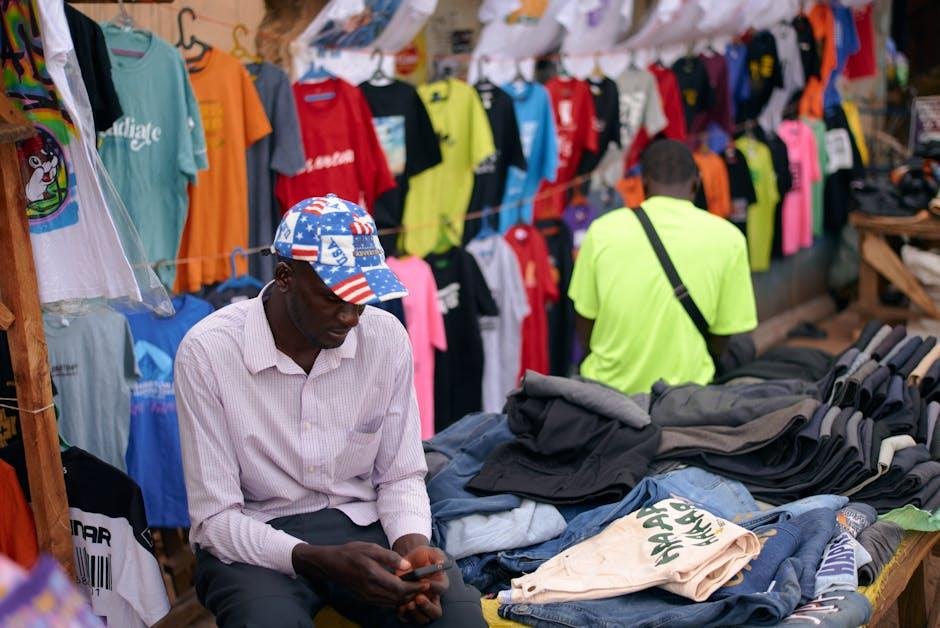
Embracing the world of thrift has been a delightful journey that opened my eyes to a vibrant array of unique finds. The charm of each pre-loved item tells a story, weaving together the past with the present. While some may see thrift stores as mere secondhand shops, they are treasure troves filled with possibilities. Each time I step through their doors, I revel in the thrill of discovery, unearthing clothing, accessories, and household goods that aren’t just affordable but exhibit personality and character that fast fashion frequently enough lacks. The satisfaction of walking away with a one-of-a-kind piece is immeasurable and fosters a deeper connection to my wardrobe.
Moreover, supporting local thrift stores contributes to the economy in meaningful ways. By choosing to shop secondhand, I help reduce waste and ensure that my purchases have a positive impact.Thrift stores often reinvest profits back into the community, enabling local charities and initiatives to thrive. Here are some benefits of choosing thrift:
- Environmental Impact: Saves landfills from clothing waste.
- Community Engagement: Fosters local connections and supports charities.
- Unique Style: Offers distinct finds that allow for personal expression.
Future Outlook
As I reflect on my journey away from fast fashion, I realize that this decision extends beyond mere clothing choices; it’s a commitment to sustainability, ethics, and personal integrity. While the allure of trendy apparel may still beckon, I’ve come to understand the hidden costs associated with each purchase. By prioritizing quality over quantity, supporting ethical brands, and embracing second-hand treasures, I’m fostering a wardrobe that aligns with my values. this shift isn’t just about reducing my environmental footprint; it’s about cultivating a deeper connection to the things I wear. Each piece tells a story—one of thoughtfulness, responsibility, and a commitment to a better future. As we navigate the complexities of our consumer culture, I invite you to consider your own relationship with fashion.the choices we make today can craft a narrative that resonates not only within our closets but also in the world at large.