
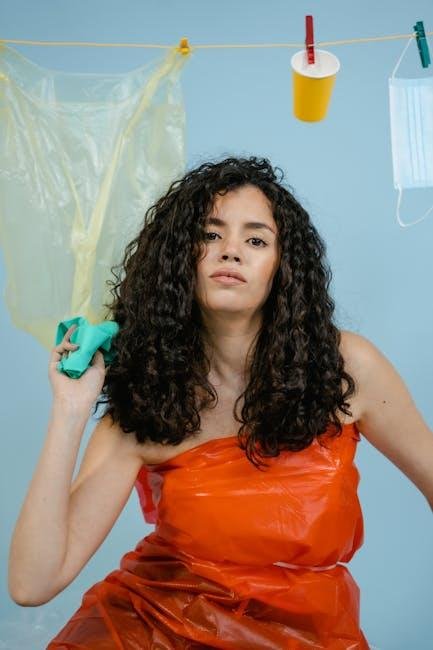
Upcycled Fashion: Turning Old Clothes into New looks
In a world increasingly attuned to the environmental consequences of our consumption habits,a transformative trend is emerging from the depths of our closets: upcycled fashion. Imagine the thrill of breathing new life into forgotten garments, reimagining once-loved pieces into stylish statements that reflect both personal expression and eco-consciousness. Upcycling invites us to rethink our relationship with fashion, challenging the fast-paced cycle of buying and discarding in favor of creativity and sustainability. This article delves into the art and science of upcycled fashion, exploring innovative techniques, inspiring designers, and the profound impact this movement has on both our wardrobes and the planet. Join us as we uncover how the simple act of transforming old clothes can lead to new looks and, in turn, a more sustainable future.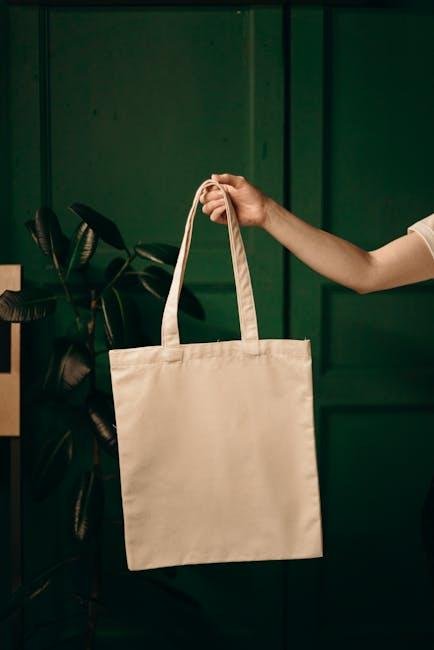
The Art of Reinvention: Exploring Creative Techniques in Upcycled Fashion
The journey of transforming old garments into fresh, stylish pieces involves a unique set of creative techniques that unleash the potential of forgotten fabrics. Whether it’s through the art of sewing, embroidery, or fabric manipulation, the process often starts with a simple assessment of the items at hand.Key techniques in this exploration include:
- Patchwork: Combining various fabric scraps not only adds visual interest but also tells a story.
- Dyework: Techniques like tie-dye or eco-printing can breathe new life into faded colors.
- Redesign: Repurposing garments by altering their silhouette, such as turning a dress into a trendy top.
uniting sustainability with creativity, the practice of upcycling allows designers and enthusiasts alike to showcase their individuality. As trends shift and consumer habits evolve, the revival of vintage materials becomes not just a necessity but a celebrated form of self-expression.Effective methods to consider include:
| Technique | Description |
|---|---|
| Fringing | Creating texture and movement by trimming edges of fabric. |
| Layering | Mixing varied lengths and styles for a bohemian aesthetic. |
| Embellishing | Using beads, sequins, or patches to personalize items. |
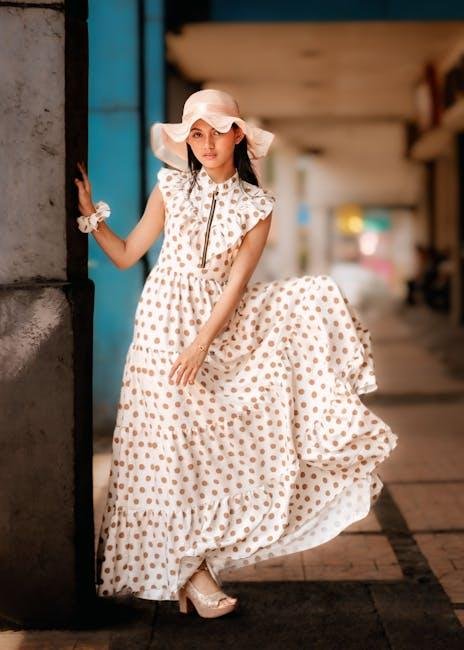
Eco-Friendly Fashion Choices: Sustainable Materials and Their Impact
Embracing sustainable fashion is more than just a trend; it’s a transformative approach to personal style that focuses on minimizing waste and maximizing creativity. Upcycling old clothes not only reduces the strain on our natural resources but also breathes new life into forgotten garments. By creatively reimagining thes items, we can craft unique pieces that tell a story. The process can include a variety of techniques such as:
- Patchwork sewing to combine various fabric remnants into a singular,standout piece.
- Dyeing techniques to refresh and personalize attire, utilizing natural dyes for an eco-conscious twist.
- Tailoring to modify the fit and style of outdated clothing, ensuring they align with contemporary trends.
The impact of upcycled fashion is profound, resonating beyond individual wardrobes. It encourages a shift in consumer behavior towards valuing quality over quantity, fostering a mindset of sustainability. Consider these favorable outcomes:
| Benefit | Description |
|---|---|
| Waste Reduction | Diverts textiles from landfills, reducing landfill overflow. |
| Resource Conservation | Minimizes the need for new materials, lowering environmental footprint. |
| Creativity Boost | Encourages innovative thinking in fashion design and styling. |
Wardrobe Wonderland: Tips for Curating Your Own Upcycled Style
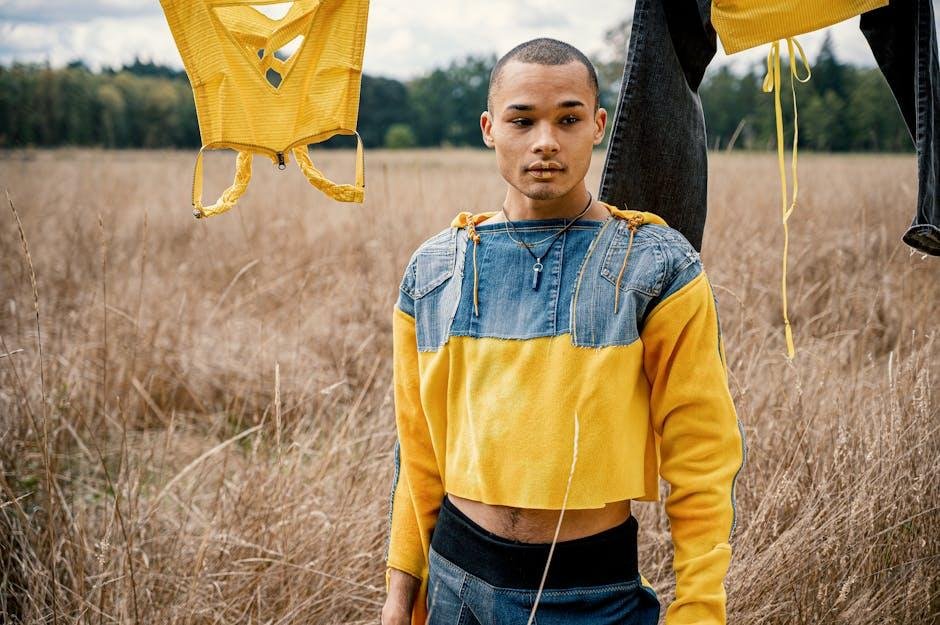
creating a wardrobe that reflects your unique personality while being environmentally friendly can be an exciting journey. Start by evaluating your existing clothes. Dive into your closet and pull out items that you no longer wear but can rekindle with a slight change. Consider using techniques like dyeing, patching, or even sewing together pieces for a mixed-media look. This is where creativity blooms! Try experimenting with textures and layering different styles to create something truly original.
In addition to personalizing your garments, remember that accessories can elevate your outfits to new heights. Think about turning old belts into chic headbands or using fabric scraps to craft unique jewelry. Hear’s a swift reference table for upcycled accessory ideas that can add flair to your new looks:
| Old Item | Diy Accessory |
|---|---|
| Old T-shirt | Headband or Tote bag |
| Broken Jewelry | New Statement Piece |
| Outdated Scarves | Bracelet or Hair Wrap |
| Unused Denim | Keychain or Pouch |
From Runway to Recycler: The Influence of Influencers on Upcycled Trends
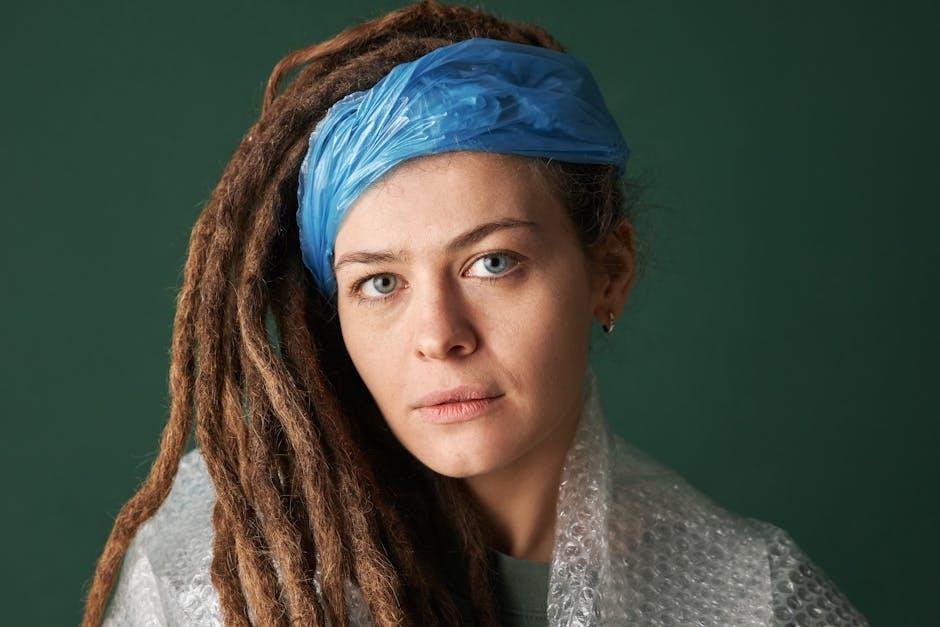
In the ever-evolving realm of fashion,influencers have emerged as catalysts for change,transforming the way we perceive sustainability. By integrating upcycled pieces into their outfits, these digital icons demonstrate that style is not merely about new purchases but also about innovation and creativity. Showcasing thrifted finds and DIY transformations, they inspire their followers to rethink their wardrobes and embrace a more sustainable approach. This shift encourages a broader audience to consider the stories behind their clothing—past lives that can be reimagined rather than discarded. With the power of social media,even a simple hashtag can spark a movement,making upcycled fashion not just a trend but a lifestyle choice.
This growing interest in upcycling has led brands to rethink their strategies, resulting in unique collaborations and product lines focused on sustainable fashion.influencers often take the lead in these initiatives, blending awareness with aesthetic appeal. For instance, they might showcase:
- Customized Jackets: Old denim transformed through paint and patches
- Repurposed Accessories: Jewelry crafted from reclaimed materials
- Celebrity-Designed Collections: Limited-edition lines made from surplus fabric
as trends evolve, the synergy between influencers and upcycling continues to grow stronger, creating a vibrant community where sustainability becomes synonymous with style. This innovative approach not only elevates the fashion conversation but also empowers individuals to express their uniqueness through curated outfits loaded with history and character.
In Conclusion
As we tie the final threads in our exploration of upcycled fashion, it becomes clear that this innovative movement is more than just a trend—it’s a powerful statement against the throwaway culture that dominates the fashion industry. By reimagining our old clothes, we embrace creativity, sustainability, and the unique stories each piece carries.Every upcycled garment is a testament to our ability to transform waste into art, showcasing the inherent beauty in repurposing what already exists.So, the next time you sift through your closet, consider the potential of those forgotten items. With a little imagination and effort,they coudl become the centerpiece of a fresh,stylish look that not only turns heads but also champions a more sustainable future.Together,let’s celebrate the art of transformation,one stitch at a time.