

In a world where the tides of consumerism shift with the seasons, a new trend has emerged from the depths of conscience and creativity: sustainability.Gone are the days when the allure of fashion was defined solely by exclusivity and excess. today, the conversation has evolved, weaving ecological awareness into the fabric of style. As consumers become more discerning and brands begin to embrace their duty to the planet, sustainability has stepped out from the shadows, claiming its place at the forefront of the fashion industry. This is not merely a passing phase; it marks a seismic shift in values and aspirations—where what’s cool goes hand in hand with what’s conscious. In this article, we delve into the reasons why sustainability is not just the latest trend but a transformative movement redefining how we perceive fashion, urging us to reconsider what it truly means to be stylish in the modern age.
The Rise of Conscious Consumerism in Modern Fashion
In recent years, a meaningful shift has occurred within the fashion industry, driven by a growing awareness of environmental and ethical issues. Consumers are now making conscious choices that reflect their values, opting for brands that prioritize sustainability and social responsibility.This conscious consumerism trend is reshaping the landscape of modern fashion, compelling companies to rethink their production processes, sourcing practices, and the overall lifecycle of their products. More than just a passing fad, this movement represents a commitment to creating a better world, where style doesn’t come at the expense of the planet.
Brands that embrace this mindset not onyl gain consumer loyalty but also set themselves apart in a saturated market. Key practices that define this evolution include:
- Ethical sourcing of materials, favoring organic and recycled options.
- Clarity in supply chains, allowing consumers to track the journey of their clothing.
- Fair labor practices to support workers’ rights and equitable wages.
Fashion brands are now championing these principles not only to attract eco-conscious shoppers but also to foster a deeper connection with their audience—making sustainability not just an accessory, but a foundational element of modern style.
Innovative Materials: Redefining Style with Eco-Friendly Fabrics
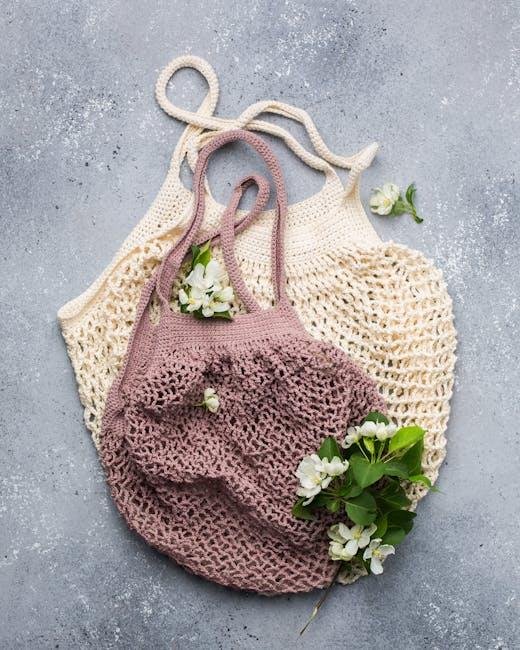
Fashion is experiencing a transformative shift with the rise of innovative materials that marry style with sustainability. Designers are increasingly turning to eco-friendly fabrics, not just as an ethical choice but also as a canvas for creativity.These materials, which include organic cotton, hemp, and recycled polyester, are reimagining customary fashion boundaries, allowing for vibrant colors, intricate textures, and unique patterns that are both visually stunning and gentle on the planet. This fusion of creativity and conscience makes sustainable fashion the new must-have in wardrobes across the globe.
Moreover, the adoption of these materials is paving the way for exciting trends, as consumers become more aware of the environmental impact of their purchasing decisions. Eco-friendly innovations don’t just stop at textiles; they extend to processes like natural dyeing and zero-waste patterns, creating a ripple effect in the industry. As fashion houses embrace these practices, they not only reduce their ecological footprint but also appeal to a growing demographic of style-savvy shoppers who prioritize sustainability. Below is a glimpse of some materials making waves in the industry:
| Material | Environmental Benefit | Style Appeal |
|---|---|---|
| organic Cotton | No synthetic pesticides | Soft, breathable fabric |
| Hemp | unique texture, durability | |
| Recycled Polyester | Reduces plastic waste | Versatile, easy to care for |

The Role of Transparency in Building Trust and Brand Loyalty
In today’s fashion landscape, transparency has become a crucial factor in cultivating meaningful connections with consumers. Brands that openly share their sourcing, manufacturing practices, and labor conditions not only showcase their commitment to ethical practices but also invite customers into their journeys. This open dialogue fosters a sense of trust, allowing consumers to align their values with their purchases. When brands communicate their sustainability strategies clearly, it encourages an engaged consumer base that appreciates the effort and thoughtfulness behind each piece of clothing.
Furthermore, transparency can enhance brand loyalty as customers gravitate toward companies that prioritize integrity over mere profit. By adopting an honest approach, these brands can build communities around shared values. When customers understand the environmental and social impact of their fashion choices, they feel empowered to support brands that exemplify their principles.Weather it’s through detailed product descriptions, behind-the-scenes storytelling, or sustainability certifications, the brands that open their doors are the ones that will foster long-lasting loyalty and respect from their audience.

Tips for Curating a Sustainable Wardrobe Without Compromising on Style
Curating a wardrobe that prioritizes sustainability doesn’t mean sacrificing your personal style. The key is to invest in versatile pieces that can be mixed and matched in various ways. Look for clothing made from sustainable materials like organic cotton,Tencel,or recycled fabrics. Not only do these materials reduce environmental impact, but they also tend to be more durable, ensuring that your pieces will last longer. Consider the following tips to elevate your sustainable wardrobe:
- Layer thoughtfully: Incorporate different textures and styles that can be layered together for a more dynamic look.
- Choose timeless over trendy: Select classic silhouettes that never go out of style, allowing for longevity in your wardrobe.
- Accessorize smartly: Use accessories to personalize your outfits; a statement necklace or a chic belt can transform a simple ensemble.
Another crucial aspect of a sustainable wardrobe is embracing the concept of slow fashion. This involves prioritizing quality over quantity and being selective about new additions to your wardrobe. Before making a purchase,reflect on whether the item complements your existing pieces and how frequently enough you’ll wear it. To help with this, consider a simple decision-making table:
| Item | Do I Need This? | Will I Wear It Often? |
|---|---|---|
| Sustainable Denim | Yes | Yes |
| Trendy One-Season Item | No | No |
| Classic White Shirt | Yes | Yes |
In summary
As we step into a future where our choices hold profound implications, it’s clear that sustainability is no longer just a trend; it’s a transformative movement reshaping the very fabric of fashion. This shift towards eco-consciousness transcends aesthetics, inviting us all to rethink the narratives we share through our wardrobes. From vintage revivals to ethical brands, the industry is rallying around a common vision—one that champions innovation, respect for our planet, and an unwavering commitment to the well-being of future generations.
In embracing sustainability, we find ourselves at the intersection of style and responsibility, where the “cool” is defined not just by design but by the values we embody. so, as we curate our collections and express our individual identities, let us remember that every purchase is a statement, every choice a chance to align ourselves with a movement that celebrates both creativity and sustainability.The journey towards a fashion landscape rooted in ecological mindfulness is just begining, but with each step we take, we not only redefine cool—we pave the way for a more conscious and connected world.