
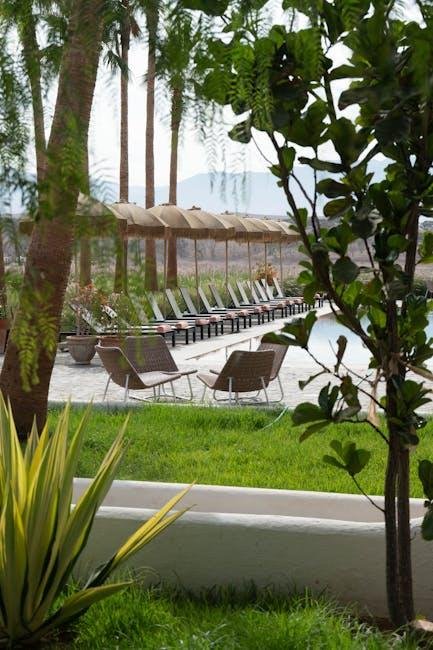
In a world where noise adn extravagance frequently enough dominate the narratives of wealth and success, a subtle conversion is quietly taking shape.Welcome to the era of quiet luxury, where opulence manifests not in ostentatious displays but rather in understated elegance and refined sophistication. This shift reflects a growing desire for authenticity and depth, suggesting that true luxury is no longer about what can be flaunted, but rather about what can be felt and appreciated in the everyday moments. In this article, we will explore the nuances of quiet luxury—what it truly means in today’s cultural landscape, its impact on personal style, consumer behavior, and the broader implications for our understanding of wealth and status. Join us as we delve into this understated trend that invites us to rethink the parameters of luxury in a world that frequently enough celebrates the loud and the lavish.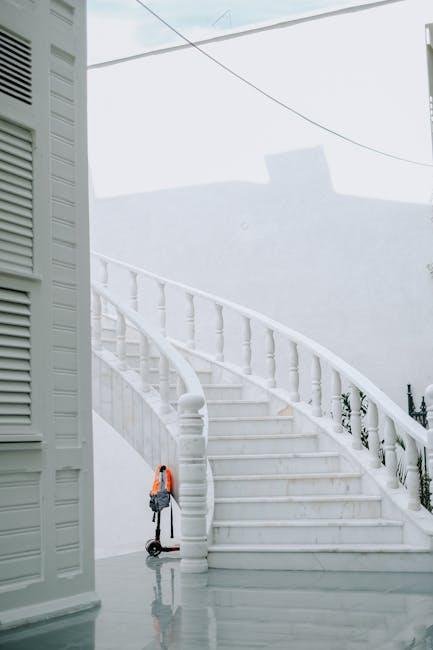
The Philosophy Behind Quiet Luxury and Its Cultural Significance
At its core, the essence of subdued luxury lies in the philosophy of depth over display. This concept prioritizes quality craftsmanship, timeless design, and sustainability, frequently enough manifesting in the use of natural materials and meticulous attention to detail. Quiet luxury refrains from the gaudy spectacles of ostentation, opting instead for a refined aesthetic that speaks volumes without shouting. it appeals to the discerning individual who values experience, intimacy, and a personal connection to their possessions.This approach often includes:
- Curated collections that eschew mass production
- Artisanal techniques that highlight traditional craftsmanship
- Color palettes and designs that prioritize harmony over extravagance
In a rapidly evolving cultural landscape, quiet luxury functions as a gentle rebellion against fast fashion and trend volatility. It fosters a sense of inclusivity by breaking the chains of exclusivity traditionally associated with luxury goods. As more consumers seek meaning in their purchases, this ethos cultivates a community that values sustainability and ethical practices. The cultural significance of this movement is evident in how it shapes individual identities, encouraging consumers to align their personal values with their aesthetic choices, ultimately leading to:
| Aspect | Cultural Impact |
|---|---|
| Consumer Awareness | increased focus on ethical sourcing and sustainability |
| Community Building | Fostering shared values among consumers |
| Aesthetic Evolution | Shift from flashy trends to understated elegance |
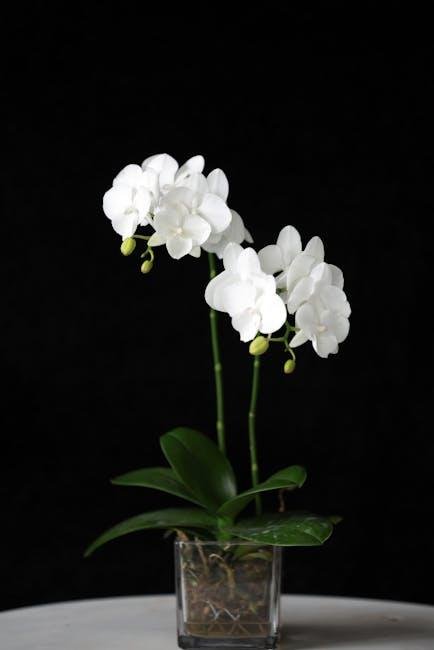
Understanding the Aesthetics: Key characteristics of Subtle Elegance
Subtle elegance hinges on a delicate balance of simplicity and sophistication. This style is characterized by a refined restraint that allows the beauty of materials and craftsmanship to shine without unnecessary ornamentation.It is about the quality that speaks volumes in its understated presence, offering a sense of tranquility and harmony. Key elements include:
- Neutral color palettes that evoke calmness and sophistication.
- Thoughtful textures that create depth and interest without being overwhelming.
- Timeless designs that resist fleeting trends and hold intrinsic value.
In addition to visual appeal, subtle elegance often embraces a lifestyle ethos that values sustainability and ethical practices. It encourages mindfulness in consumption, emphasizing longevity over excess. The following attributes commonly accompany this aesthetic:
| Attribute | Description |
|---|---|
| Minimalism | Focusing on essential elements for a clean, uncluttered look. |
| Natural Materials | Using high-quality, lasting resources to embody authenticity. |
| Personalization | A touch of individuality that reflects personal taste without ostentation. |
Making Informed Choices: How to Incorporate Quiet Luxury into Your Wardrobe
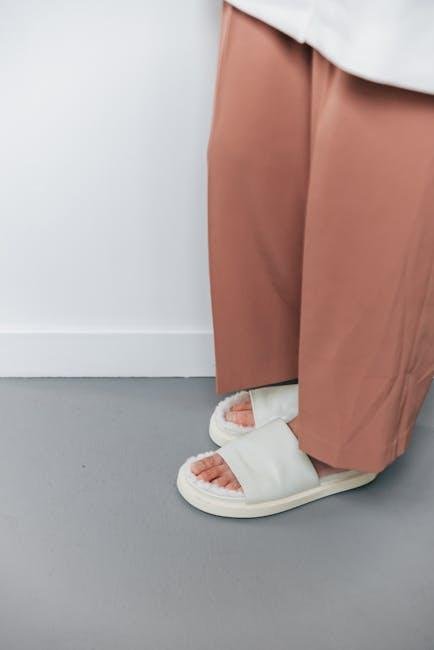
Incorporating quiet luxury into your wardrobe is less about embracing ostentation and more about choosing timeless pieces that convey sophistication through remarkable quality and understated design. Start by curating a collection of essential garments that epitomize both versatility and elegance. Focus on materials such as cashmere, silk, and fine wool that create a palpable sense of luxury without the need for loud branding. Opt for a palette of neutral tones or soft pastels, as these hues effortlessly exude a calm refinement that complements any setting.
To elevate your look with subtlety,pay attention to details and craftsmanship. Look for garments with unique tailoring, such as a structured blazer with a tailored fit or trousers that softly drape, enhancing your silhouette without overwhelming it. Accessories should also reflect this ethos; choose minimalist designs like leather handbags in classic shapes or understated jewelry that whispers elegance. Consider the following elements when curating your quiet luxury wardrobe:
- Quality Over Quantity: Invest in fewer, higher-quality items that will last and age gracefully.
- Timeless Silhouettes: Classic cuts that withstand trends ensure longevity and versatility.
- Neutral Color Palette: A cohesive selection of colors makes pairing effortless and reduces decision fatigue.
- Subtle Details: Look for unique stitching or finishes that set the piece apart without being flashy.
Sustainable Luxury: The Ethical Implications of Minimalist Design
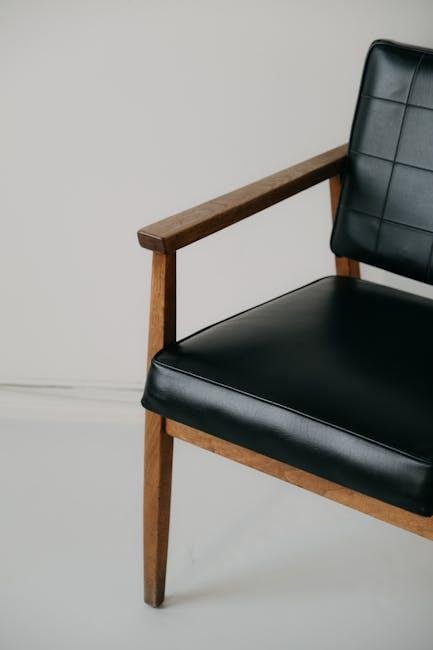
The convergence of sustainable principles with minimalist design not onyl shapes aesthetics but also redefines consumer values. This approach prioritizes quality over quantity, urging consumers to invest in timeless pieces rather than disposable trends.The ethical implications are profound, as brands embrace transparency and responsible sourcing, fostering a connection between the maker and the consumer. By adopting sustainable luxury, designers challenge the status quo, promoting a culture of mindfulness where conscious consumerism eclipses mere material acquisition.
Moreover, minimalist design serves as a gentle reminder of the ecological footprint intertwined with our purchasing decisions. It encourages an examination of our consumption habits and their broader environmental impact. Emphasizing durability, functionality, and simplicity, brands can create products that endure, not just in style but in sustainability. This shift impacts various sectors, leading to the emergence of alternatives such as:
- Eco-kind materials – Utilizing organic or recycled resources.
- Ethical production – Ensuring fair labor practices throughout supply chains.
- Minimalistic packaging – Reducing waste and enhancing recyclability.
| Aspect | Traditional Luxury | Sustainable Luxury |
|---|---|---|
| Production | Often opaque, high environmental cost | Obvious, minimal environmental impact |
| Materials | High-end, sometimes unsustainable | Biodegradable, recycled, organic |
| consumer focus | Opulence and status | Mindfulness and ethical consumption |
To Conclude
As we navigate the shifting sands of luxury in our contemporary world, the rise of quiet luxury signals a profound transformation in how we perceive value, style, and sophistication. This understated elegance,devoid of ostentation,invites us to reconsider not only what we desire but also why we desire it. In a landscape saturated with noise and bravado, quiet luxury offers a sanctuary of simplicity and authenticity, encouraging appreciation for craftsmanship, heritage, and the subtleties of existence. As we look forward, it becomes clear that this evolution is not merely a passing trend but rather a reflection of our collective desire for authenticity in a complex world. Whether you embrace it fully or observe from the sidelines, understanding quiet luxury equips us with insights into our own values, ultimately shaping a more mindful approach to consumption and lifestyle. The journey into this nuanced realm has just begun, and its implications are bound to resonate long into the future.